Skip to content
← All Posts

Do You Trust Your Audience To Find You?

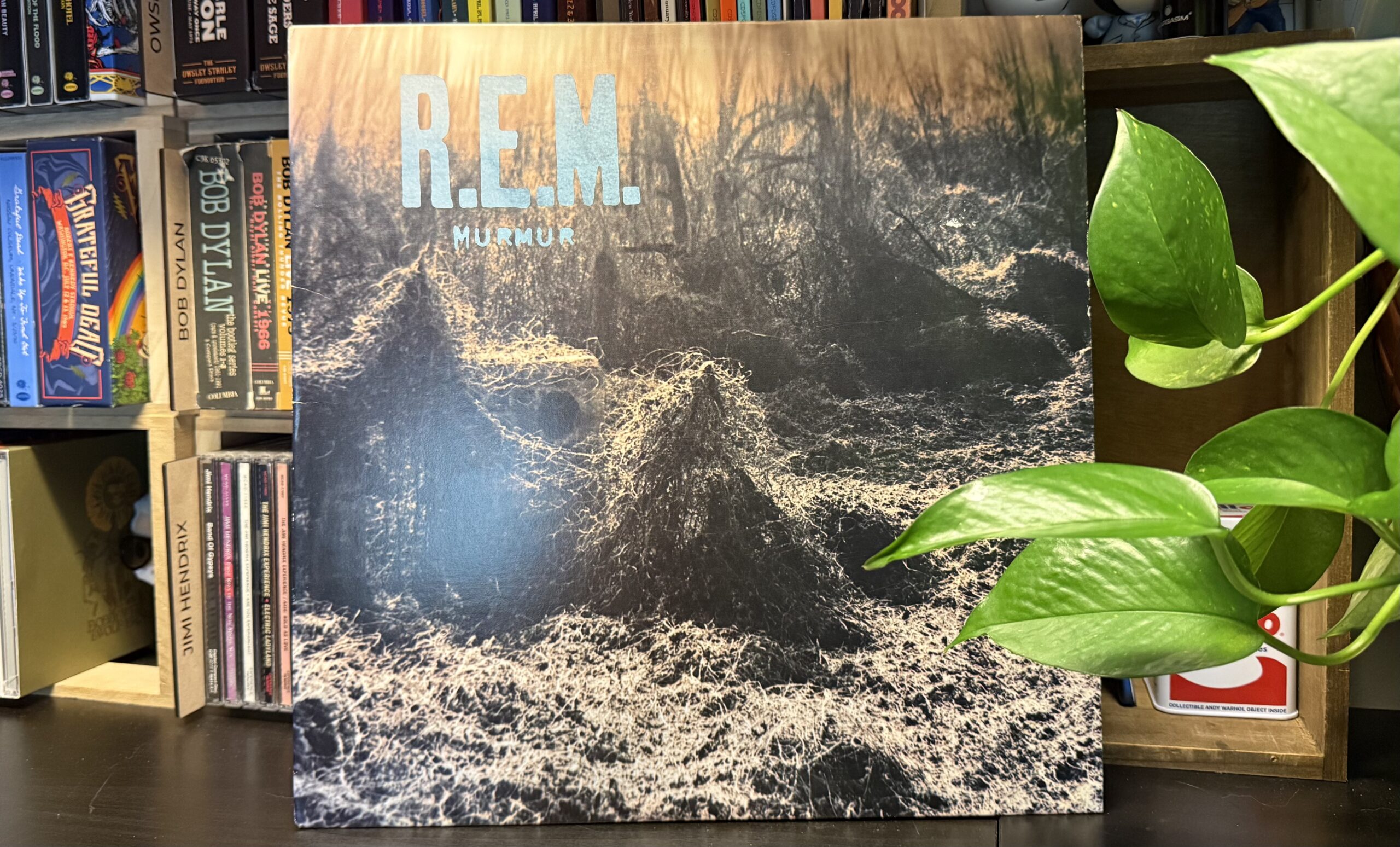
R.E.M.’s debut LP, Murmur, was released on April 12, 1983. IRS Records quietly released it, with no mainstream radio support. It was pretty much all college radio. The production was a little dim, Michael Stipe’s lyrics were sometimes unclear, but some music critics loved it. I loved it! Even without mainstream support, the band’s debut full-length album was powerful.

R.E.M. didn’t explain themselves, they made exactly the record they wanted and trusted the right people would find it. Peter Buck’s jangly Rickenbacker guitar, Mike Mills’ melodic bass, Bill Berry’s locked-in drumming, and Stipe’s layered yet somehow sophisticated and smart mumble created something that rewarded patience. It still does today…

That trust in their audience is something most brands spend years trying to manufacture but can never quite get right. There’s a marketing lesson buried somewhere in the grooves of Murmur. You don’t have to spell everything out. You don’t have to be obvious. The right audience will find you if what you’ve built is worth finding. Are you also targeting the appropriate audience?

Most of us tend to overexplain. We sometimes wrongly assume that our audience won’t get it unless we walk them through every step. R.E.M. assumed the opposite, and they built one of the most devoted fan bases in rock history because of it. They’re pretty much my favorite rock band. Oh, and I found this original pressing on IRS for only $12.00, and it’s almost in mint condition. 🎶

Anyway, what would happen if you trusted your audience a little more and explained yourself a little less?

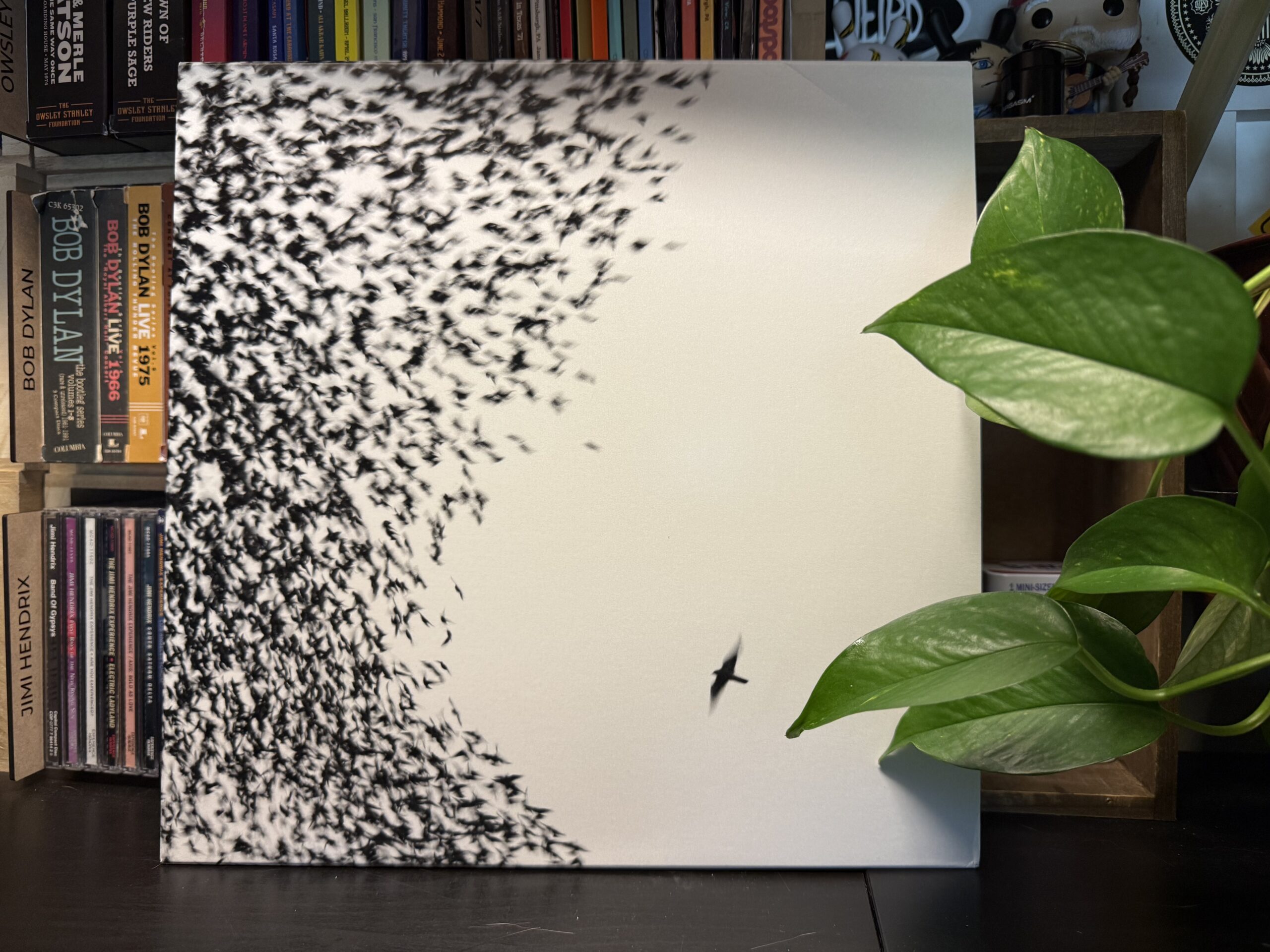
I’ve been spending some time this week listening to Makaya McCraven‘s “Off The Record,” released last year by the International Anthem Recording Company, a small independent label out of Chicago that many people out there probably have never heard of, unless you’re a big jazz or avant-garde music fan…

And that’s kind of the point.

International Anthem has built one of the most coherent, respected catalogs in contemporary sounds, mostly in the vein of jazz, with virtually no mainstream visibility. Small roster. Distinct aesthetic. Consistent sound. Every release feels like it came from the same place, with the same values. You always know exactly what you’re getting, and it’s always worth the time to listen.

That’s not an accident. That’s a brand.

In marketing, we’re conditioned to chase scale. Bigger audiences, broader reach, more impressions. But International Anthem is a quiet reminder that an audience built on trust and consistency will stick around long after an audience built on volume has scrolled past. They show up, they buy, they tell people. Their audience may be smaller, but they are absolutely devoted.

A thousand people who genuinely believe in what you stand for and are part of your journey will always outperform ten thousand who barely notice you, or just follow you on social media, never taking any action or getting involved.

The biggest brands in the world would trade half their reach for that kind of commitment. International Anthem figured that out and built its identity around it. You don’t need to be everywhere. You just need to mean something to the right people.

How coherent is your brand’s identity, and who are you building it for?

‘3 Feet High and Rising’ by De La Soul is one of the most influential hip-hop albums ever created.

It’s also an album that was essentially impossible to stream until about 2023, as it was tied up in a sampling lawsuit that kept it off digital platforms for almost 30 years. And yet its reputation only grew stronger…

People sought it out on vinyl, paying $170 or more for the original vinyl. Used CDs and cassettes were hard to find, and people talked about the album as if it were a secret. The algorithm couldn’t possibly surface it, so the people who knew it became the distribution.

It got me thinking about scarcity in marketing. We’re so conditioned to maximize reach and availability that we rarely consider what absence can do for a brand. The thing you can’t easily get often becomes the thing people most want. I’ve seen it with this release, with many other albums, toys, and, of course, video game consoles.

De La Soul didn’t choose to have their album unavailable for streaming, but the lesson holds anyway. Sometimes, the most powerful thing a brand can do is make people work a little to find it. (They can also thank The Turtles)

Are you making something worth seeking out?

It’s been a rainy few days here, and without really thinking about it, I found myself listening to The National’s “Trouble Will Find Me” on my way to work. Some records just belong to certain weather. Certain moods. I’ve seen The National perform live about twelve times, and I still can’t fully explain why their music hits me the way it does. (I took this photo at The Bank of NH Pavilion two summers ago)

But I think it has something to do with how Matt Berninger writes lyrics. His words are dense, covert, full of specific details and anxiety. Lines that sound like private notes that somehow ended up on a record. They shouldn’t connect as broadly as they do. And yet we National fans can quote them like scripture.

That’s the thing about specificity. The more precisely you describe a feeling, the more people recognize themselves in it. Berninger doesn’t write for everyone. He writes like he’s the only person in the room.

In marketing, we default to broad. Usually safe messaging. Language that’s designed to offend nobody but tries to move everybody. The brands and the voices that actually earn a place in people’s lives tend to do the opposite. They say the specific thing to the right people with enough conviction that it travels.

Vague speaks to everyone. Being more specific moves someone.

What would your marketing sound like if you stopped trying to appeal to everyone? What would happen?

Back To Top