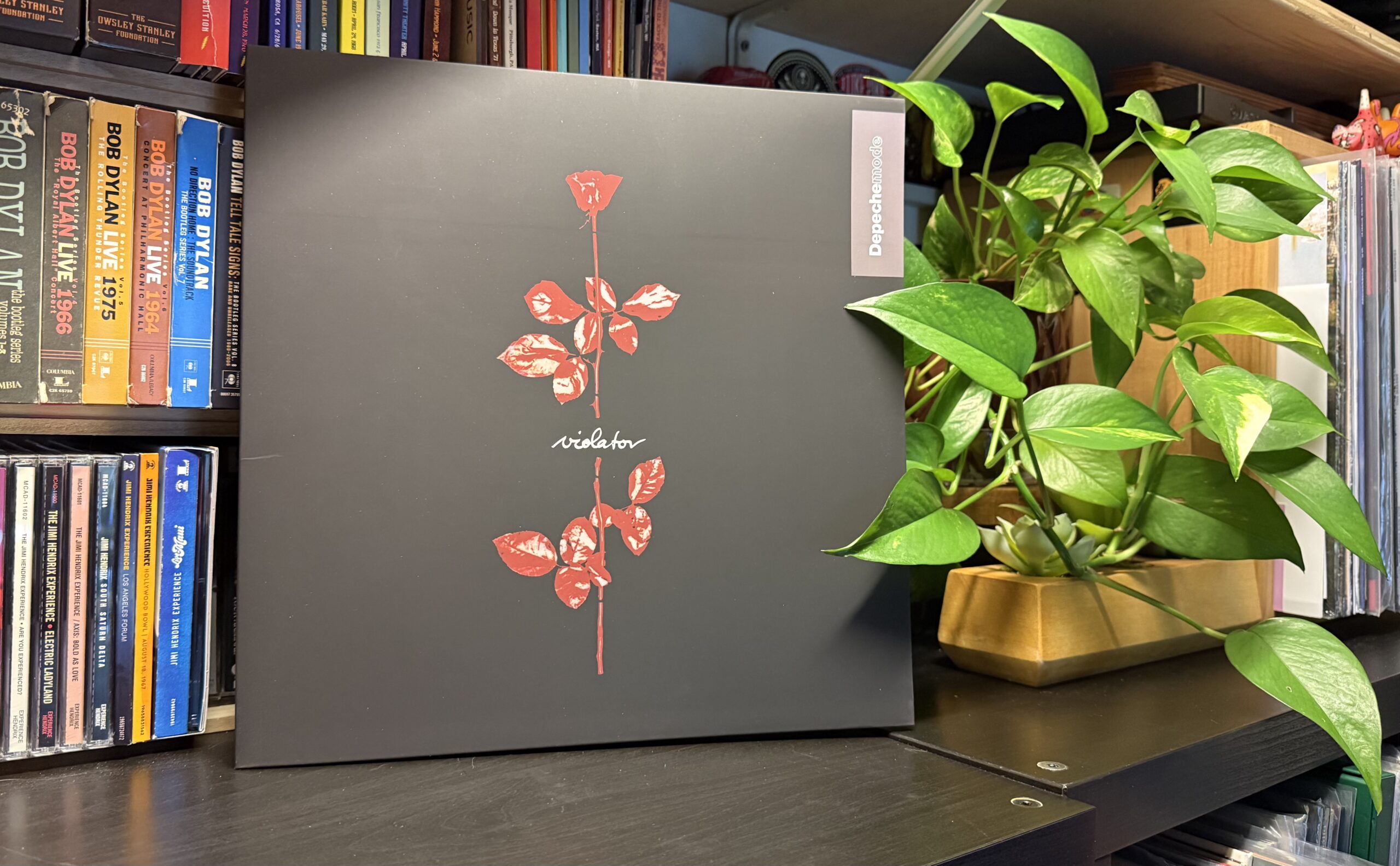
Depeche Mode‘s Violator was released in 1990 and, 36 years later, it still sounds like something being built, not something simply remembered. I’ve been listening to this record again this week, and what keeps striking me isn’t the songs, it’s the architecture (although “Personal Jesus,” “Policy of Truth,” and “Enjoy the Silence” are some of the best pop songs ever written).
Producer Flood built a world of electro-machinery and placed something deeply human at its center. The electronics and synths didn’t just guide the lyrics, they pushed back, often taking center stage. That’s the trick Violator pulled off. There’s a direct line from that to modern marketing.
Your best campaign probably needs fewer messages, not more. Let the campaign’s creative do the work! A landing page with a single clear CTA will outperform one that explains too much. Again, let the creative help guide the audience through the campaign. The brands people remember aren’t the loudest; they’re the most purposeful and the ones most creative.
Martin Gore didn’t need a full orchestra. Dave Gahan didn’t need to shout. The music and production carried this album more than the lyrics, in my opinion, and that’s why I remember it and still play it 35 years later.
The next time you’re tempted to add another feature callout, another hero banner, another email in the sequence, ask yourself this: What would Flood do? But in all seriousness, what’s the version of your ad campaign that trusts the audience enough to leave something unsaid? Restraint isn’t a creative limitation. It’s a strategic choice. The brands that figure that out tend to build something that lasts longer than a campaign cycle. Violator is still in my regular rotation and still teaching me something every time. I even bought the vinyl reissue last year!
Tell me, what’s an album from your past that keeps showing you something new?
In your own marketing work, where do you find it hardest to resist the urge to say more?
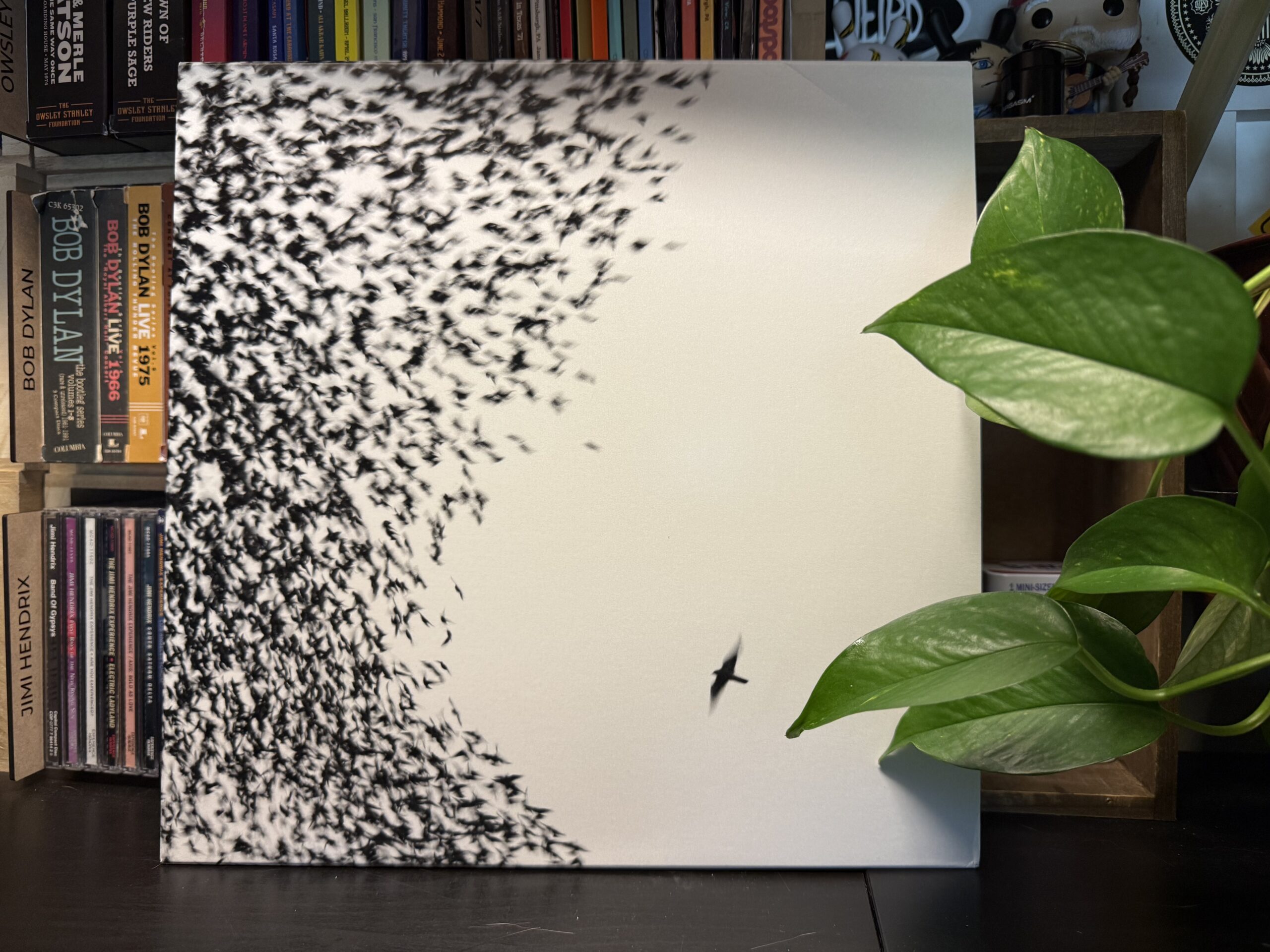
It was a gloomy Monday night in the spring of 2007, and I was opening up The Red Door, getting the room ready for another evening in our weekly live music series, Hush Hush Sweet Harlot. I had just put on Sky Blue Sky, the brand new Wilco album, mostly for company. I was recently divorced, and honestly, I needed something that felt steady.
The album settled quietly into the room. No big statement, no immediate grab. And then “Impossible Germany” came on. Nels Cline’s guitar solo doesn’t announce itself. It builds slowly, almost conversationally, winding through the song’s long architecture until suddenly you realize something extraordinary is happening and you don’t want it to end. By the time the room was ready for the night’s show, I wasn’t sure I wanted to let anyone in.
Some wrote Sky Blue Sky off after its release… Pitchfork called it dad rock.
The result is an album that exposes the dad-rock gene the band has always carried but attempted to disguise– the stylistic equivalent of a wardrobe change into sweatpants and a tank top. – Pitchfork.com
But that album has outlasted the criticism by a wide margin because it was built to reward those who stayed with it. It didn’t catch your attention right away. It waited for you to show up and just listen. I love this album, always have…
It’s a harder thing to pull off in marketing. We’re conditioned to optimize for the hook, the scroll-stop, the instant impression. And there’s a place for that. But the brands and the work that tend to stick are the ones built with the same patience Nels Cline brought to that solo. Depth that reveals itself over time. Something that gets better the more attention you give it.
Are you building work that rewards a second look?
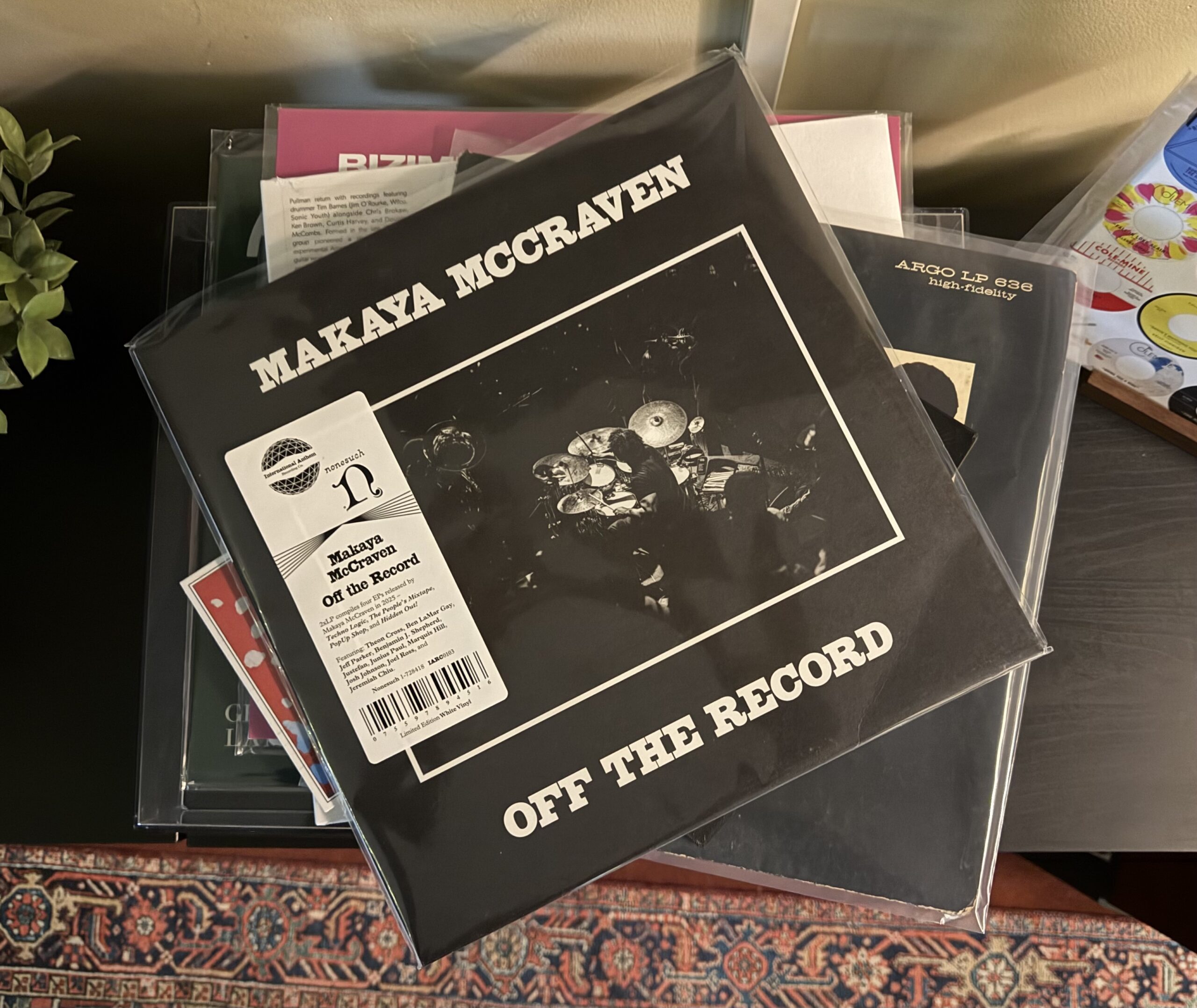
I’ve been spending some time this week listening to Makaya McCraven‘s “Off The Record,” released last year by the International Anthem Recording Company, a small independent label out of Chicago that many people out there probably have never heard of, unless you’re a big jazz or avant-garde music fan…
And that’s kind of the point.
International Anthem has built one of the most coherent, respected catalogs in contemporary sounds, mostly in the vein of jazz, with virtually no mainstream visibility. Small roster. Distinct aesthetic. Consistent sound. Every release feels like it came from the same place, with the same values. You always know exactly what you’re getting, and it’s always worth the time to listen.
That’s not an accident. That’s a brand.
In marketing, we’re conditioned to chase scale. Bigger audiences, broader reach, more impressions. But International Anthem is a quiet reminder that an audience built on trust and consistency will stick around long after an audience built on volume has scrolled past. They show up, they buy, they tell people. Their audience may be smaller, but they are absolutely devoted.
A thousand people who genuinely believe in what you stand for and are part of your journey will always outperform ten thousand who barely notice you, or just follow you on social media, never taking any action or getting involved.
The biggest brands in the world would trade half their reach for that kind of commitment. International Anthem figured that out and built its identity around it. You don’t need to be everywhere. You just need to mean something to the right people.
How coherent is your brand’s identity, and who are you building it for?